
Asters
Bring Vibrant, Late-Season Color To Your Garden With Asters
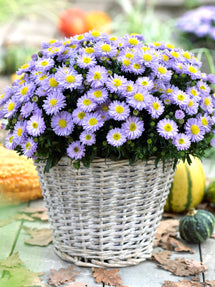
Bring new life to your US garden with Aster plants. These perennials stand out with their characteristic star-shaped, daisy-like blooms, each composed of a central disk surrounded by slender petals that resemble a small star. Asters step in just when your summer borders begin to fade. Their late summer and fall flowers fill the garden with lasting color, offering a lovely addition to perennial beds, cottage garden borders, mixed beds, porch containers, and walkways in your yard. Explore DutchGrown’s top-quality Aster collection and enjoy a mid to late summer garden full of blooms.
Showing 1 - 6 in 6 items
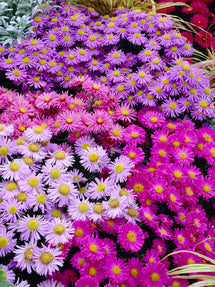


A Beautiful Late Blooming Flower That Attracts Humans And Pollinators
Aster flowers add movement, texture, and depth to your garden. Asters are available in a wide selection of colors, including vibrant reds, purples, pinks, and blues. You see their value most clearly in late August, September, and October, when their blooms feed countless pollinators. Native asters, such as the New England Aster and New York Aster, are particularly popular with pollinators. While your summer flowers rest, Asters invite these gentle visitors into your garden, enriching your space with activity and life.
Aster Flower Varieties: From New York Aster To New England Aster
The genus Aster belongs to the family Asteraceae. The genus name comes from the Ancient Greek word ἀστήρ (astḗr), meaning “star”. Today, the genus comprises about 170 Eurasian species, but gardeners still use the common name “Aster” to describe a wide group of late-season bloomers, including familiar North American native Asters. Whether you grow New England Aster, New York Aster, or other Asters native to temperate climates, each one adds vibrant beauty to your home garden. Some of the most reliable Aster types include:
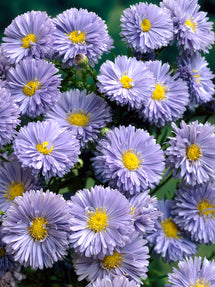
- Aster “Lady in Blue”: This charming variety is known for its compact growth and clusters of light blue, daisy-like flowers with a yellow center that bloom from late summer into fall.
- Aster “Alice Haslam”: This delightful perennial is a favorite for its compact size and clusters of bright pink flowers with sunny golden centers.
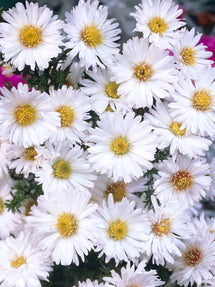
- Aster “White Ladies”: With an abundance of semi-double, crisp white flowers with sunny yellow centers, 'White Ladies' creates a clean, bright display that stands out in any garden space.
What Are The Growing Conditions For Aster Plants?
Asters grow best in a sunny, open spot with well-draining soil. When you plant them in spring after the last frost or in early fall, the roots have time to establish before heat or cold arrives. They are perfect for borders, cottage gardens, and pollinator-friendly spaces. Easy to grow and maintain, these bare roots establish quickly and come back year after year for a reliable burst of seasonal beauty.
- Time: You can plant Aster bare roots in spring or fall. Most varieties are hardy in USDA zones 4-8.
- Sunlight: Full sun encourages abundant bloom and strong stems.
- Soil: Well-draining soil prevents root issues and supports healthy growth.
- Moisture: Most Asters tolerate moderate to low moisture levels once established.
- Spacing: Dig a hole wide and deep enough to accommodate the roots without bending or crowding them. Position the plant so that the crown (where the roots meet the stem) is level with the soil surface. Spread the roots out in the hole and backfill with soil, gently firming it around the roots. Water well until established.
How To Care For Aster Plants?
Asters thrive with simple care. Water them regularly during dry spells to keep the growth steady. Deadhead the spent flowers to encourage cleaner displays through late summer and fall. In late fall or spring, cut yellow foliage; this prepares them for next season.
Asters resist many challenges, though you may occasionally see lace bugs, aphids, mites, Japanese beetles, or diseases such as verticillium wilt. With good airflow, sunlight, and spacing, you naturally reduce most issues. You can also divide established clumps every 2 to 3 years to refresh the plant and maintain its vigor.
Discover DutchGrown’s Top-Quality Aster Bare Roots
When you want premium Aster bare roots selected with expertise, you can rely on DutchGrown. For over 140 years, we have focused on exceptional quality and careful sourcing. Our top-sized Aster bare roots give you strong, healthy plants that perform reliably in your home garden year after year. When you plant Asters from DutchGrown, you bring enduring color, structure, and charm into your landscape—along with the confidence that comes from choosing a trusted, long-established grower. Explore the collection and bring color to your garden. We ship throughout the US.
Frequently Asked Questions About Aster Flowers
Do Asters Grow Back Every Year?
Asters are perennial plants, meaning they come back year after year when planted in the right conditions. With proper care, such as regular watering, adequate sunlight, and occasional pruning, your Asters will thrive and bloom again in late summer or fall.
What To Do With Asters In Winter?
In winter, Aster plants go dormant, but you can help them stay healthy by cutting back dead stems once the foliage has faded. Add a light layer of mulch around the base to protect the roots from freezing. Avoid heavy pruning, as Asters will regrow in spring and bloom in summer to fall.
Do Asters Spread Quickly?
Aster plants may spread relatively quickly, especially when they’re happy in your garden. While they are not overly invasive, they can fill gaps in your garden and create fuller displays. To keep them in check, divide established plants every few years to maintain their shape and vitality.
Do Asters Like Sun Or Shade?
Asters thrive in full sun, but some varieties can tolerate light shade. For the best blooms and healthiest growth, plant them in a sunny spot that receives at least 6 hours of direct sunlight each day.