
Hymenocallis (Peruvian Daffodil)
Peruvian Daffodils: Exotic Elegance & Captivating Fragrance
The Peruvian Daffodil brings a rare kind of elegance to your summer garden. Its long, slender petals stretch outward like a star, forming a refined, almost architectural bloom. Many gardeners also know it as the “Spider Lily” or even the “Spidery Daffodil”, yet its true name, Hymenocallis, reflects its place in the Amaryllis family.
At DutchGrown, you can find a beautiful collection of top-quality Peruvian Daffodil bulbs for US gardens. Whether you want to create an elegant walkway or an enchanting border, Peruvian Daffodils are an excellent choice. Discover our collection and enjoy a captivating summer garden.
Showing 1 - 2 in 2 items
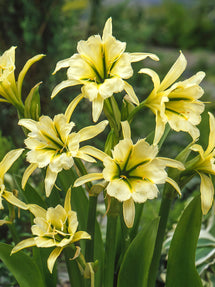
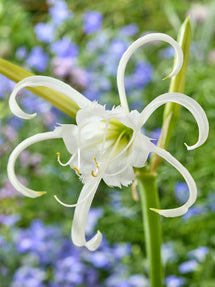
What Is a Hymenocallis? A Fragrant, Deer-Resistant Plant
Hymenocallis is a bulbous plant native to the Americas. Its common name is “Spider Lilies” due to their spindly, web-like flower shape and "Peruvian Daffodil" for their central cup. The Hymenocallis flower is hardy in USDA Zones 8-10.
As a member of the Amaryllis family, this plant reaches 12 to 24 inches tall, bringing a touch of tropical beauty and a lovely fragrance to any garden or collection. They produce an intense, sweet fragrance, particularly in the evening. The Peruvian Daffodil is also deer-resistant and rarely disturbed by wildlife.
The Architectural Beauty of Peruvian Daffodils
The Peruvian Daffodil produces elegant white, green, or yellow blooms with six long, curved petals that arch gracefully away from the center. Their unique shape and the way the flowers cluster above rosettes of strap-like leaves give them their fitting nickname, Spider Lilies; they really do look like delicate spiders in bloom.
Gardeners value the Peruvian Daffodil for its reliable summer bloom and refined shape. It feels exotic, yet it adapts well to home gardens and containers. Once you understand its light requirements and planting depth, you will find it straightforward to grow.
Who Should Grow Peruvian Daffodils?
If you enjoy refined white flowers and a plant that feels a little uncommon, the Peruvian Daffodil fits your style. It suits gardeners who want something different from the usual summer bloom.
You can grow Peruvian Daffodil bulbs in:
- Sheltered sunny borders, where they can enjoy warmth and protection from frost.
- Light afternoon shade in very hot areas to keep plants looking fresh.
- Containers or pots in cooler zones, where you can move them before frost.
- A mixed border with Amaryllis, Crinum and Agapanthus.
Explore Our Varieties: From Festalis Zwanenburg to Sulphur Queen
Not all Hymenocallis varieties look the same. Each sort brings subtle differences in color and presence. At DutchGrown, you will find the following varieties:
- Hymenocallis “Festalis Zwanenburg”: This is an elegant summer-flowering bulb admired for its exotic, star-shaped white blooms and sweet fragrance.
- Hymenocallis “Sulphur Queen”: This variety has large, star-shaped blooms that glow in soft lemon-yellow tones, with slender, curling petals and a beautifully frilled trumpet at the center.
How to Get Peruvian Daffodils to Bloom?
You grow the Peruvian Daffodil successfully by focusing on soil, sun, and water. Start in spring, once the risk of frost has passed and the soil feels workable. Below are the step-by-step planting instructions, or follow our growing guide “How to Grow and Care for Hymenocallis”:
- Time: Plant the Hymenocallis bulb in spring, once the risk of frost has passed and the soil has begun to warm up.
- Location: For the strongest flowering, choose a spot in full sun. In areas with very hot summers, providing light afternoon shade can help keep plants looking fresh.
- Soil: Good drainage is the most important factor. If the soil stays wet, the bulbs can rot.
- Planting depth: Plant the bulbs so that their necks or tips sit at the soil surface or just above it. Space the bulbs 10 to 12 inches apart so clumps have room to expand.
- Water: After planting, water well once to settle the soil.
How to Take Care of Hymenocallis?
Once you plant the bulbs, taking care of them is key. Here is how to do it:
- Water: During active growth, keep the soil lightly moist but never soggy. Once established, the Hymenocallis flower can withstand short dry periods, but it produces the best flowers when the soil is kept consistently moist.
- Fertilizer: Using a balanced fertilizer during the growing season helps to build stronger plants and encourages better flowering.
- Deadhead: You can cut back and reduce watering when the leaves naturally turn yellow.
- Winter care: In colder areas, treat it as a tender bulb and lift it before the weather turns frosty. Leave the bulbs to dry, then store them in a cool, dry, frost-free place until spring.
Premium Peruvian Daffodil Bulbs for Sale at DutchGrown
When you choose Peruvian Daffodil bulbs, quality matters. At DutchGrown, you will find top-quality Peruvian Daffodil bulbs for your garden. We focus on size, vitality, and reliability so your Hymenocallis plants grow with strength from the start. Whether you plant in borders or containers, you can move forward with confidence, knowing you begin with carefully chosen bulbs.
Explore our collection of Peruvian Daffodil bulbs and select the varieties that suit your garden, location, and vision for summer blooms. We ship throughout the US.
Frequently Asked Questions About Hymenocallis
Are Hymenocallis Perennials?
Hymenocallis are perennials that return year after year when grown in USDA zones 8–10. In colder climates, they function as tender perennials; you must lift the bulbs in the fall and store them indoors to keep them alive through the winter.
Where Do Spider Lilies Grow Best?
Spider Lilies thrive in full sun and well-draining soil to prevent bulb rot. While they love bright light, providing partial shade is essential in scorching climates to prevent foliage from wilting. For optimal growth, plant them in a sheltered spot with rich, organic soil and ample moisture. Hymenocallis is commonly hardy outdoors in USDA zones 8 to 10.
Do Peruvian Daffodils Multiply?
Peruvian Daffodils multiply readily by producing offset bulbs, or "bulblets," around the base of the original mother bulb. Over several seasons, these clumps expand, leading to denser foliage and more blooms. To manage growth and propagate new plants, dig up the bulbs in the fall every few years, divide the offsets, and replant them separately the following spring.
Do Peruvian Daffodils like Sun or Shade?
Peruvian Daffodils perform best in full sun, which provides the energy necessary for vibrant, prolific flowering. However, in regions with intense summer heat, light afternoon shade protects the delicate white petals and prevents the foliage from scorching.