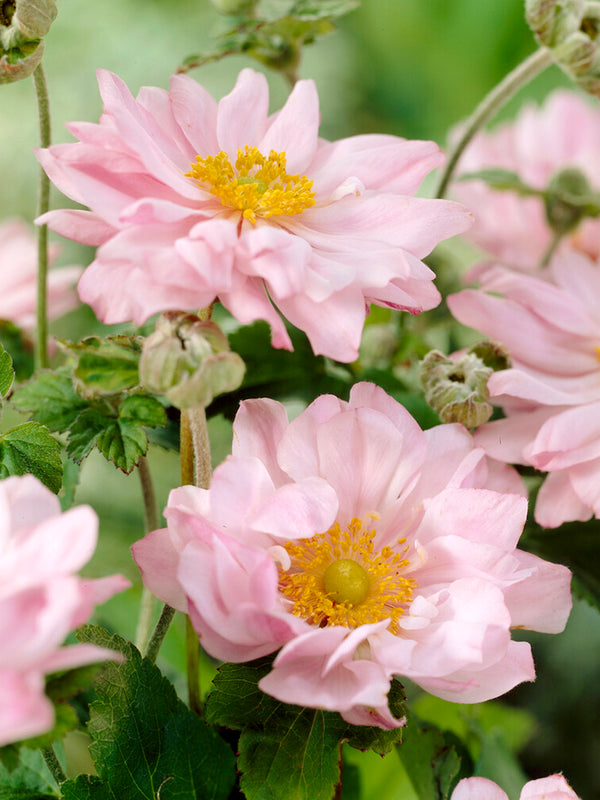
Japanese Anemones
Japanese Anemones: The Elegant Late-Summer Showstoppers
Japanese Anemones bring a calm, elegant beauty to your garden, just when many borders start to fade. These mid- to late-summer-to-fall-blooming Anemones lift your planting scheme with soft color, movement, and long-lasting blooms. If you want a more layered, mature-looking garden without constant replanting, this is one of the smartest flowers you can choose.
At DutchGrown, we’ve worked with premium Anemones for generations. We focus on top-quality, top-sized stock chosen for strong performance in real gardens. Explore our collection and learn how to pick the right Japanese Anemone varieties, where they grow best, and how to help them thrive during the growing season.
Showing 1 - 6 in 6 items
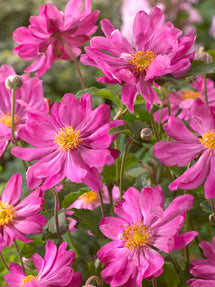
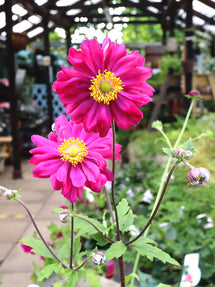
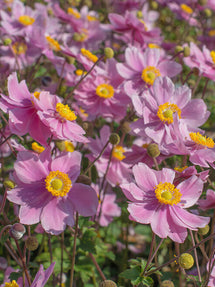
Japanese Anemones
What are Japanese Anemones? Graceful Blooms for the Late Season
Japanese Anemones are hardy perennials with a bloom time from mid to late summer into mid-fall. They produce elegant, open-faced flowers in shades of white, pink, and lavender, often with a golden center that draws the eye without overpowering the rest of your planting.
What makes them especially valuable is timing. These blooms arrive when many favorites, such as spring-blooming Anemones, slow down. You get fresh interest in mixed borders, cottage gardens, woodland settings, and naturalistic planting—without needing to swap out seasonal color.
What Is the Origin of Japanese Anemone?
The common name “Japanese Anemone” can mislead you. These plants were originally brought from the Chinese province to Japan, and many popular garden types today are hybrid cultivars. That’s why you can see them as Chinese Anemones, but they are better known as Japanese ones.
From Anemone Hupehensis to Tomentosa
While Japanese Anemones belong to the genus “Anemone,” many taxonomists have recently reclassified them into the genus “Eriocapitella.” This genus includes the species and hybrids Hupehensis, x Hybrida, Japonica, and Tomentosa.
Delicate Petals, Rugged Roots: The Key Characteristics of Anemone
Japanese Anemones look delicate, but they grow like plants that know what they’re doing. Once they settle in, they become long-lived, low-maintenance, and dependable in the late-season garden.
Japanese Anemones bloom from mid to late summer into mid-fall, adding color when many perennials finish blooming. Their tall, slender flower stems create a light, airy feel, while the soft single, semi-double, or double blooms in shades of white, pink, or lavender add elegance to any garden.
These perennials are ideal for filling gaps in borders, brightening shady corners, or naturalizing in woodland areas. Their ability to spread over time makes them excellent for creating drifts of color, though this should be managed in smaller gardens.
What Is the Height of Japanese Anemone?
Most Japanese Anemones grow to 30-60 inches tall, depending on cultivar and growing conditions. Their height makes them ideal for the middle or back of a border, where their flowers can float above lower plantings, creating a relaxed, layered look.
From Shady Borders to Cottage Gardens: Who Should Plant Anemones?
Japanese Anemones suit a wide range of gardeners because they look refined yet behave reliably. They’re a strong choice if you want:
- A late-season lift when other flowers start to fade.
- A perennial that suits mixed borders, cottage, and wood gardens.
- A low-maintenance plant that is reliable.
- To combine them with ferns, grasses, and other shade-tolerant plants.
Japanese Anemone Varieties: From Hybrida Honorine Jobert to Prince Henry
Japanese Anemones give you a lot of design flexibility. You can choose by color, flower form, and how quickly you want a plant to spread. Japanese Anemones are available in several cultivars, including “Honorine Jobert,” “Whirlwind,” and “Party Dress.” At DutchGrown, you can find a beautiful collection of Japanese Anemones, including:
- Japanese Anemone “Prince Henry”: This variety features elegant, semi-double flowers with narrow, purplish-red petals that are arranged in overlapping layers and held on slender, wiry stems above attractive, divided foliage.
- Japanese Anemone “Queen Charlotte”: This is a beautiful pink-blooming fall Anemone with semi-double, open flowers that reach 40 to 60 inches.
- Japanese Anemone “Honorine Jobert”: This award-winning perennial boasts an abundance of pure white flowers on elegant, branching stems, which rise above a dense clump of deeply cut, dark green leaves.
Can't decide which variety to choose? Then opt for the Japanese “Anemone Mix”, a beautiful blend of various colors.
How to Plant and Grow Japanese Anemones?
Planting Japanese Anemones the right way pays off for years. They’re generally hardy in USDA Zones 4–7, and they establish best when you plant them in spring. Spring planting gives the roots time to settle before bloom season. Here is how to plant and grow Japanese Anemones:
- Choose the right spot: Aim for part shade with rich, well-drained soil. They will also tolerate full sun if you keep the soil moist.
- Soil type: Choose a spot with sandy loam, multipurpose compost, or clay.
- Plant in spring: Spring is the ideal planting time for strong establishment before summer blooming. Ensure the planting depth is 1 inch, with a density of 25-30 inches.
- Water: Japanese Anemones should be watered well during dry growing conditions, as they do not tolerate drought.
- Deadheading spent flowers encourages more blooms, and cutting back foliage should be done after the first frost in late autumn or early spring after winter.
Japanese Anemones for Sale at Dutchgrown
Growing plants starts with quality. At DutchGrown, we select premium, top-sized roots with the same care we’ve been known for since 1882. Explore our Japanese Anemone for sale selection, choose the varieties that fit your garden style, and plant with confidence. With the right spot and a simple routine, you’ll enjoy graceful blooms in mid to late summer and even in your fall garden. We ship throughout the United States.
Are you looking for more anemones? You can also find spring-planted Anemones, fall-planted Anemones and Italian Anemones at our online shop.
Frequently Asked Questions About Japanese Anemone
How Invasive Is Japanese Anemone?
Japanese Anemones are considered moderately invasive because they spread via self-seeding or underground rhizomes. These perennial plants can quickly overtake garden beds and crowd out weaker plants if left unchecked. To control their expansion, gardeners should use root barriers, plant them in heavy containers, or regularly thin out new shoots to maintain boundaries.
Do Japanese Anemones like Sun or Shade?
Japanese Anemones prefer full sun to partial shade and well-drained, fertile soil. They can tolerate full sun if the soil remains consistently moist and well-drained. The correct spot ensures vigorous growth and prolific late-season blooms without the risk of wilting or leaf burn.
Do You Cut Back Japanese Anemones?
You should cut back Japanese Anemones to ground level to maintain a tidy garden and encourage vigorous plants. You can cut back the stems in late fall after flowering for tidiness or in early spring before new growth starts.
Is Japanese Anemone Toxic to Cats?
Japanese Anemones are toxic to cats and other pets because they contain a chemical irritant. If ingested, your cat may experience symptoms. It is important to keep these perennials out of reach and consult a veterinarian immediately if you suspect ingestion.