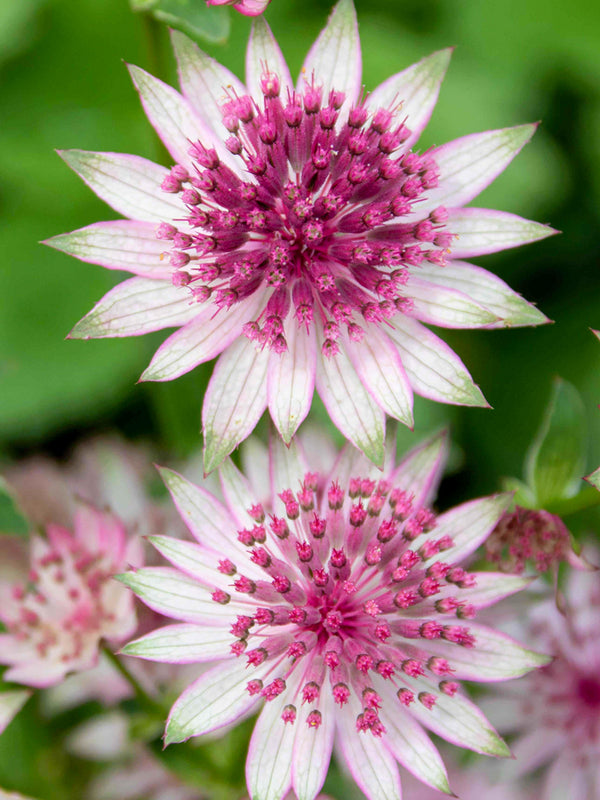
Astrantia
Discover Astrantia: The True Jewels of Your Summer Garden
Astrantia brings a sophisticated touch of garden merit to your landscape, acting as a refined herbaceous perennial that thrives in shaded sites. Beloved for its distinctive pincushion-like flowers and cottage garden appeal, Astrantia has become a staple in many ornamental gardens.
Whether you are a seasoned enthusiast or a beginner, these blooms offer a level of charm that transforms ordinary spaces into extraordinary retreats. Explore our curated selection of top-sized Astrantia bare roots and begin your garden transformation today.
Showing 1 - 3 in 3 items
Astrantia (Masterwort)
Masterpieces in the Shade: An Introduction to Astrantia
The genus name Astrantia is derived from the Greek word astron, meaning “star”, which perfectly describes the star-like arrangement of its pointed bracts. A member of the carrot family (Apiaceae), this genus has been a staple in European horticulture for centuries, dating back to the Middle Ages.
Astrantia plants are native to Europe and Western Asia, and are naturally adapted to various environments, making them perfect for US gardens. They are hardy perennials that return with increasing vigor each season, eventually forming dense, attractive clumps of foliage that provide architectural interest.
The Beautiful Key Characteristics of Astrantia
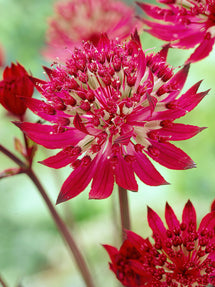
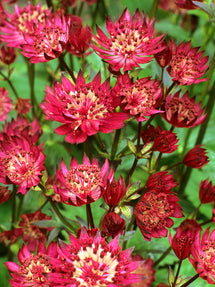
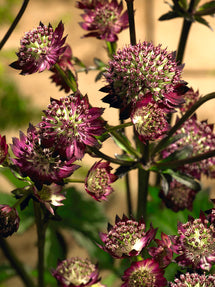
Astrantia is defined by its central umbel surrounded by a ruff of bract-like petals, which can range in color from white and pink to deep ruby and burgundy. These intricate blooms have a unique texture and are held aloft on wiry stems above the foliage, lending an airy, whimsical character to garden displays from early summer through fall.
Astrantia's foliage forms a clump of deeply lobed, palmate leaves that are often a fresh green color, contributing a lush, herbaceous backdrop to the delicate flowers. This foliage may take on a darker, slightly reddish tint in some cultivars, adding further interest. Because the stems are sturdy, the flowers maintain their upright posture even after heavy rain, ensuring your garden looks polished regardless of the weather.
What Is the Bloom Time for Astrantia?
Astrantia typically blooms from early summer through fall, filling the floral gap between spring bulbs and late-season perennials. If you practice regular deadheading, you can often encourage a second flush of flowers in late summer or early fall. The flowers, when cut, make charming additions to bouquets and floral arrangements, known for their long vase life.
What Is the Ideal Growing Environment for Astrantia?
The ideal environment for Astrantia is a spot with partial shade and consistently moist, rich soil. These plants are best suited to cooler climates (USDA Zones 4-9), where night temperatures consistently dip, as they thrive not optimally in areas with extreme, oppressive heat.
What Are the Common Uses of Astrantia in Gardens?
If you appreciate the romantic, layered look of traditional cottage gardens, woodland gardens and romantic-style landscapes, Astrantia is an essential addition to your borders. Its ethereal texture complements bolder plants without ever overwhelming them.
- Pollinator Lovers: The nectar-rich blooms are absolute magnets for bees and butterflies, bringing your garden to life with movement.
- Floral Designers: With their long stems and incredible vase life, these flowers are a favorite for high-end bouquets and arrangements.
- Shade Gardeners: Because they tolerate lower light levels, they are perfect for those difficult part-shade spots where color is often lacking.
A Variety of Stars: From Astrantia Major Venice to Midnight Owl
The most well-known species is Astrantia “Major”, also called the “Great Masterwort”. Within this species, various cultivars offer a stunning spectrum of colors. At DutchGrown, you will find the best varieties, such as:
- Astrantia “Major Venice”: Its firework-like, explosive centres, surrounded by spiky pink petals, will attract an abundance of pollinators to the summer garden.
- Astrantia “Major Star of Billion”: The “Star of a Billion” variety of Astrantia major is a delightful plant with soft white and green hues. It features the explosive blooms that Astrantias are renowned for, with spiky petals.
- Astrantia “Midnight Owl”: This exceptional cultivar boasts burgundy flowers with purple undertones that create a striking contrast against its glossy, dark green leaves.
How to Grow Astrantia?
Success with Astrantia starts with planting bare-root plants in rich, moist soil in early spring for summer blooms. Follow these steps for successful planting, or follow our growing guide “How to Grow Astrantia (Masterwort)”.
- Location: Choose a spot in partial shade, as Astrantia prefers to avoid the intense afternoon sun. A spot under a light canopy of deciduous trees or beside taller plants would be ideal.
- Soil: Make sure the soil is rich and moist, but not waterlogged. Add well-rotted compost or manure to the soil before planting.
- Position: Dig a hole, plant your bare roots, and position the crown 1 inch below the surface, ensuring the roots are spread out. Space the roots 12-18 inches apart. Fill the soil back in around the base and press gently to secure it.
- Water: Immediately after planting, water the plants thoroughly to help settle the soil around the roots.
How to Care for Astrantia?
To ensure a stunning summer display, it's important to take care of the Astrantia roots after planting. Follow these steps:
- Water: Keep the soil moist, especially during the first season while the plants are getting established.
- Mulch: Apply a layer of mulch around the plants to keep the soil moist and prevent weeds.
- Fertilizer: Sprinkling a balanced, general-purpose fertiliser in spring gets them off to a good start for the growing season.
- Deadhead: Remove the dead flowers to encourage a second flush of blooms.
- Divide: Divide them in early spring or fall, each 4 to 5 years, to maintain their vigour and spread their beauty to other areas of the garden.
Premium Astrantia Roots: Exceptional Quality from DutchGrown
To ensure your Astrantia performs at its peak, you must start with the highest quality material. At DutchGrown, we provide only top-sized bare roots that offer superior vigor and a faster path to a full clump than starting from seed. We carefully time our shipping to ensure your plants arrive ready for the planting season in your specific zones.
By choosing our family-owned company, you are selecting plants backed by generations of Dutch expertise. Invest in the long-term beauty of your garden; select your favorite Astrantia varieties from our collection today and experience the difference that century-old quality brings to your summer landscape. We ship throughout the United States.
Frequently Asked Questions About Astrantia
Do Astrantia like Sun or Shade?
Astrantia thrives best in partial shade, particularly in locations that offer protection from the full sun. While they can tolerate more light in cool summer climates, they truly flourish in dappled shade or woodland clearings where soil remains moist. These plants are ideal for USDA Zones 4–9, especially where night temperatures consistently dip, providing relief from summer heat.
Is Astrantia a Perennial or an Annual?
Astrantia is a hardy herbaceous perennial that returns to your garden year after year. They typically maintain their presence by forming a reliable clump or through natural self-seeding. For the best results, plant our premium bare roots in spring to establish a strong foundation that survives the winter frost in USDA Zones 4-9.
Is Astrantia Invasive?
Astrantia is not considered an invasive plant. It is a well-behaved, clump-forming herbaceous perennial that expands slowly through short rhizomes. While it may self-seed in ideal woodland clearings or moist environments, any unwanted growth is easy to manage by deadheading spent blooms or simply dividing the clump in early spring.
Is Astrantia Hard to Grow?
Astrantia is a resilient, low-maintenance herbaceous perennial that is easy to grow when given the right conditions. These plants are exceptionally hardy and reward gardeners with steady blooms and structure year after year. For the best results, ensure they are planted in moist, rich soil within partial shade to maintain their vigor.