
Rudbeckia (Black Eyed Susan)
Discover the Charm of Black-Eyed Susan (Rudbeckia)
Black-Eyed Susan brings a confident sweep of beauty to your garden just as summer settles in. The glowing circle of chocolate-brown centers defines Black-Eyed Susan flowers. Whether you plant a single group or design an entire flower bed around them, Black-Eyed Susan stands tall, bright, and unmistakable.
At DutchGrown, we select strong, premium bare-root Rudbeckia plants so you can grow with confidence, knowing your plants start with vigor and reliability. Discover our collection and enjoy a beautiful summer garden in the US.
From early summer into late summer, Black-Eyed Susan keeps your borders alive with color. You plant it once, and it rewards you year after year with steady bloom and structure.
Showing 1 - 1 in 1 items

What Are Black-Eyed Susans?
Rudbeckia, the species most gardeners know as Black-Eyed Susan, belongs to the family Asteraceae and holds a firm place among beloved native plants across North America. This black-eyed beauty is even recognized as a state flower, a sign of how deeply rooted it is in local landscapes. Black-Eyed Susan grows up to 31-39 inches tall and 18-23 inches wide. They are hardy in USDA Zones 3-9 and suitable for Zones 3-10.
Why Gardeners Love Rudbeckia
Gardeners choose Black-Eyed Susan because it delivers impact without complication. The dark brown centers create a bold contrast in any flower garden. Planted in a sunny location, Black-Eyed Susan rises above surrounding plants, forming medium- to tall-clumps with sturdy stems that hold their beauty proudly.
Deer-Resistant but Attracts a Dozen Pollinators
Rudbeckia also earns its reputation as a drought-tolerant and deer-resistant perennial. Once established, Black-Eyed Susan tolerates tough conditions, including heat and dry spells. You can grow it in full sun for the strongest stems and richest color, though it can manage partial sun in warmer climates.
Black-Eyed Susan attracts butterflies, bees, and other pollinators in large numbers. Butterflies hover over the bloom, bees gather pollen, and birds later feed on the seed heads. Because Rudbeckia acts as a host plant for certain butterfly species, your garden becomes more than beautiful, it becomes alive.
From Wild Meadows to Modern Borders: Who Should Grow Rudbeckia?
If you love naturalistic planting, Black-Eyed Susan belongs in your garden. This plant moves easily from wild meadow to structured border.
You should grow Black-Eyed Susan if you:
- Want a low-maintenance perennial that returns reliably.
- Prefer native plants that support pollinators and birds.
- Need medium to tall plants to anchor the back of a flower bed.
- Appreciate deer-resistant selections for open landscapes.
In prairie-style designs, Black-Eyed Susan mixes beautifully with ornamental grasses and other native species. In mixed beds, it adds a controlled burst of yellow between structured shrubs and perennials. Because Rudbeckia handles a wide range of soil conditions and thrives in full sun, it suits both large rural acreage plantings and smaller urban gardens.
What Are the Different Rudbeckia Varieties?
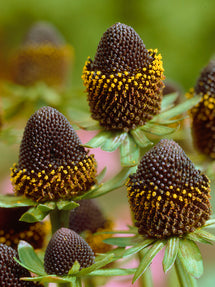
There are different varieties of Rudbeckia. Rudbeckia “Black Beauty”, for example, is the variety that DutchGrown offers. The heads are cone-like with delicious chocolate-brown heads and yellow stamens.
Other varieties include Rudbeckia “Fulgida”, a long-lived perennial like the famous “Goldsturm,” and Rudbeckia “Hirta”, known for vibrant, large-flowered annuals or biennials. Gardeners also favor Rudbeckia “Laciniata” for its impressive height, and Rudbeckia “Triloba” for its mass of tiny, prolific blooms. Each type offers unique heights and lifecycles, ranging from compact border plants to towering meadow wildflowers.
What Are the Growing Conditions for Rudbeckia?
Growing Rudbeckia is both easy and rewarding. Here's how:
- Time: Plant bare roots in spring after the frost date has passed.
- Location: Black-Eyed Susans thrive in full sun and well-drained soil, handling heat and dry spells with ease.
- Preparation: Soak roots in water before planting.
- Plant: Dig a hole that is deep enough to accommodate the roots without bending them. Plant the sprouts approximately 24 inches apart, just below the soil.
- Water: Water well after planting. During the first growing season, water regularly to establish strong roots. Once mature, black-eyed susan becomes drought-tolerant and handles summer heat with ease.
- Deadhead: Remove dead flowers to extend bloom and encourage additional buds. Leave some seed heads in place to support birds and allow natural reseeding for next year.
Premium Black-Eyed Susan Bare Roots for Sale at Dutchgrown
If you want Black-Eyed Susan to perform as they should, start with carefully selected plants. At DutchGrown, we offer strong Rudbeckia bare roots chosen for vigor, reliable bloom, and garden performance.
Plant with confidence, give them sun and space, and your garden will reward you with yellow stamens, strong stems, and living movement from butterflies and birds season after season. Discover our collection today. We ship throughout the United States.
Frequently Asked Questions About Black-Eyed Susan
Are Rudbeckias Perennials or Annuals?
Rudbeckias can be perennials or annuals, depending on the species and climate. Most varieties are hardy perennials in USDA Zones 3–9, returning faithfully with proper care. However, some types are grown as annuals in colder regions or behave as short-lived perennials that stay in your garden by self-seeding each autumn.
Where Is the Best Place to Plant Black-Eyed Susan Flowers?
The best location for Black-Eyed Susans is a spot that receives full sun. They flourish in well-drained soil, as soggy roots can lead to rot. Because they are exceptionally drought-tolerant and heat-resistant, they are perfect for open borders, pollinator gardens, or sunny patches where other flowers might wilt.
How Tall Do Black-Eyed Susans Get?
Black-eyed Susans typically reach heights of 31 to 39 inches and spread roughly 18 to 23 inches wide. For the sturdiest upright growth, plant them in full sun to prevent the stems from stretching and leaning toward the light.