
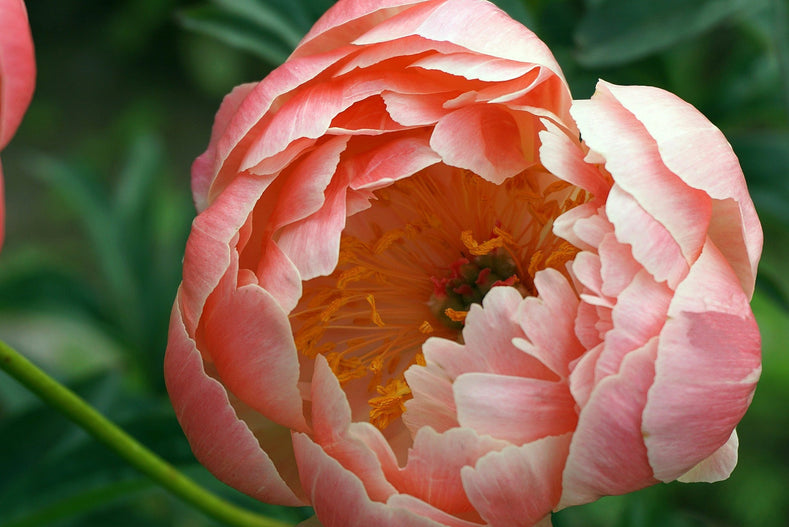
When the weather warms up and the world starts feeling alive again, it's hard not to think about peonies. These are the flowers that stop people in their tracks; big, lush, almost extravagant blooms that carry a fragrance you don't forget. If you've been thinking about growing them, or you already have a few in your garden and want to get more out of them, this guide covers everything: variety selection, planting, seasonal care, troubleshooting, and more.
Spring Is Peony Season and the Wait Is Worth It
Peonies (botanical name: Paeonia) typically bloom from late spring into early summer, with May being the sweet spot for most of the country. A few things drive that timing: Temperature is the big one. Peonies need a cold winter dormancy followed by gradually warming spring temps to kick into gear. As things heat up in late April and May, the plants start growing and eventually burst into bloom. Daylight matters too. Longer spring days signal the plant that it's time to flower. Rainfall plays a supporting role, moderate spring moisture helps, but too much can cause rot, and too little leads to stunted growth. Soil also factors in. Peonies like well-drained, fertile ground, which tends to be at its best after the winter thaw. Depending on where you live and which variety you're growing, you might see blooms a little earlier or later than May. That's completely normal.

The Different Types of Peonies
One of the best things about peonies is that there's genuinely a lot of variety to choose from in form, color, and growth habit. Herbaceous peonies are what most people picture when they think "peony." They die back to the ground each fall and come back fresh every spring. They're the most common type and the easiest to work with in most garden settings. Tree peonies are actually woody shrubs that hold their structure year-round. They tend to bloom a little earlier than herbaceous types and produce flowers that can be genuinely enormous, sometimes as big as a dinner plate. They don't need much support, but they do take a bit longer to mature. Intersectional peonies (also called Itoh peonies) are hybrids that combine the best qualities of both types: strong stems, vibrant flowers, and reliable performance. They're a great choice if you want something a little out of the ordinary. Color-wise, you're looking at a wide spectrum, whites, pinks, reds, corals, and even yellows. Bloom forms range from single rows of petals to full, multi-layered doubles, which gives you plenty to work with in the garden or in a vase.
A Quick History of the Peony
The peony has been cultivated in China since at least the 7th century. It was placed under imperial protection by Emperor Yang Ti and later declared China's national flower in 1903. By the 8th century it had made its way to Japan, where horticulturists developed countless new varieties in shades of pink, white, and red. In Europe, peonies were initially valued for their medicinal properties rather than their looks. That changed in 1787, when an ornamental variety was introduced to England by the East India Company. Marco Polo had famously described them as "roses as big as cabbages." Not long after, the Chinese Emperor gifted rare peony specimens to Joséphine de Bonaparte in France, and she became so taken with them that they became the showpiece of her garden at Malmaison. Peonies spread more broadly in the West through missionaries in the 18th century, and later through the botanical work of Joseph Francis Rock. The hybridizer Lemoine (1823-1911) was instrumental in developing more sophisticated and robust cultivars, including Paeonia lactiflora, the Chinese Peony, which remains the foundation of many of the most popular varieties grown today.
How to Plant Peonies
The best time to plant peonies is in the fall, roughly six to eight weeks before the ground freezes. This gives the roots time to settle in before winter. Here's what to keep in mind:
Location: Pick a spot that gets at least six hours of direct sun a day. Peonies really don't like shade.
Soil: Well-drained soil is non-negotiable. Standing water will kill them.
Spacing: Give each plant 3-4 feet of breathing room. Good airflow helps prevent fungal disease.
Planting depth: This is the detail that trips most people up. When planting bare root tubers, the eyes (the little pinkish-red buds on the root) should be no more than 1-2 inches below the soil surface. Plant them too deep and they may never bloom.
Soil prep: Dig your holes 12-18 inches deep and work in some organic matter before planting.

Seasonal Care Throughout the Year
Watering: In the first growing season, water regularly to help establish roots. Once they're settled in, peonies are fairly drought-tolerant, though they'll thank you for a deep watering during dry stretches.
Fertilizing: In spring, apply a balanced fertilizer to give growth a boost. Go easy on the nitrogen, too much pushes leafy growth at the expense of flowers.
Mulching: A layer of shredded bark around the base helps retain moisture, regulate soil temperature, and keep weeds at bay.
Staking: If you're growing varieties with big, heavy blooms, they'll probably need some support. Wire tomato cages work well and can be put in place early in the season before they're needed.
Fall cutback: For herbaceous peonies, cut the stems back to just above ground level in late September. This helps prevent disease and prepares the plant for dormancy. Tree peonies don't get cut back, just remove any dead or damaged wood in spring.
Tips for Getting the Best Blooms
Full sun is essential. Peonies in shade will survive, but they won't thrive. Soil pH should be slightly acidic to neutral. Adding compost improves both structure and fertility. Don't over-fertilize. It's one of the most common mistakes and it works against you. Divide herbaceous peonies every 10-15 years to keep them vigorous. Dig up the root clump in fall and use a sharp knife to divide it, making sure each section has at least three eyes.

Common Problems to Watch For
Powdery mildew shows up as a white, dusty coating on the leaves, usually in humid conditions. Good spacing and airflow are your best prevention. Aphids, slugs, and snails can cause damage, inspect plants regularly and deal with infestations early using organic controls or physical barriers. Drooping stems are common when blooms get heavy. Stake taller varieties proactively rather than after the fact.
Growing Peonies in Containers
No problem. Peonies can do well in containers as long as you set them up right. Use a pot that's at least 12–18 inches deep with good drainage holes. A well-draining potting mix is a must. Container peonies dry out faster than in-ground plants, so keep an eye on moisture, but don't overwater. In winter, move the container somewhere sheltered to protect the roots from hard freezes. Itoh peonies tend to adapt especially well to container growing.

Cutting Peonies for Indoors
Peonies make exceptional cut flowers. For the longest vase life, cut them in the early morning when the buds are still closed but have a little give to them, they'll open beautifully once they're inside. Cut stems at an angle, strip any leaves that would sit below the waterline, and keep them in a cool spot away from direct sun. Change the water every couple of days and they'll last well over a week. You can also dry peonies by hanging the blooms upside down in a dark, dry spot until fully preserved, a great way to hold onto a little bit of that bloom season longer.

Common Questions
When's the best time to plant peonies?
Fall, about six to eight weeks before the ground freezes. This gives roots time to establish before winter and sets them up for a strong bloom the following spring.
How long before they bloom after planting?
Plan on one to two years. It feels like a long time, but once they're established, they'll bloom reliably for decades. Fall-planted peonies typically settle in faster than spring-planted ones.
Can they grow in containers?
Yes, use a container at least 12–18 inches deep, make sure it drains well, and choose a full-sun location. Itoh peonies are particularly well-suited to container life.
How do you care for them over winter?
Mulch the base of herbaceous peonies with shredded bark or straw for insulation, and cut them back to the ground in fall. Tree peonies don't need to be cut back, just prune dead wood in spring. Move container peonies somewhere sheltered.
What are the three main types?
Herbaceous (die back in fall, regrow in spring), tree peonies (woody shrubs, earlier and larger blooms), and intersectional/Itoh peonies (hybrids with strong stems and vibrant flowers).
Why aren't mine blooming?
Most likely causes: not enough sun, planted too deep, or still too young. Over-fertilizing with nitrogen is another common culprit. Give them time, full sun, and proper planting depth, and be patient.
How do you keep cut peonies fresh?
Cut in the morning when buds are soft but not yet open. Trim stems at an angle, remove submerged leaves, and keep in a cool spot out of direct sun. Fresh water every two days goes a long way.
