
Bleeding Hearts (Dicentra)
Bleeding Hearts: Nature’s Most Romantic Treasure
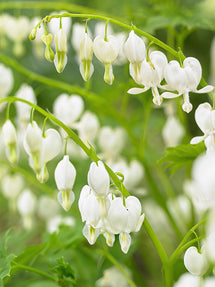
Bleeding Heart plants bring a lasting character and a confident sweep of beauty to the shade garden. The unique, heart-shaped blooms dangle gracefully from arching stems, creating a poetic display in the late spring through mid-summer landscape.
Whether you are looking to brighten a dark corner or add a touch of whimsy to your borders, our premium selection ensures your garden starts with vigor and reliability. Explore our collection of Dicentra bare roots today and transform your spring garden into a romantic masterpiece.
Showing 1 - 1 in 1 items
Bleeding Hearts (Dicentra)
What is Dicentra? A Glimpse into the Heart of the Shade Garden
Dicentra or Bleeding Heart is a genus of herbaceous perennials famous for their distinctive heart-shaped flowers that bloom on long, elegant stems. These beautiful flowers come in shades of pink, purple, red and white.
The most famous species, Dicentra “Spectabilis”, is native to Japan and has been a staple in garden history for centuries. These plants are the cornerstones of woodland gardens, thriving in the dappled light of partial to full shade where other flowering plants often struggle. Bleeding Hearts are suitable for USDA Zones 3-9.
The Key Characteristics of the Bleeding Heart
Bleeding Heart plants are prized for their unique architectural form and resilience. A Dicentra can grow between 20 and 39 inches, making it a substantial presence in a spring border or container. The foliage is particularly striking, featuring feathery, deeply divided foliage that serves as a soft backdrop for the arching stems that carry a string of pendant blooms.
Beyond their beauty, these plants are highly practical; they are naturally deer-resistant and rabbit-resistant, allowing them to flourish in open landscapes without the need for constant protection.
What Is the Bloom Time for Dicentra?
The primary bloom time for the Bleeding Heart lasts several weeks, from mid-spring into late spring or early summer. Once the flowering period ends and summer heat arrives, the plant may go dormant, and you might notice the leaves turning yellow. This is a natural part of its life cycle, allowing the plant to conserve energy until the following spring.
From Cottage Borders to Shady Corners: Is the Bleeding Heart Right for You?
If you desire a low-maintenance perennial that returns reliably to grace your shady nooks, the Bleeding Heart is an ideal choice. These plants are also perfect for gardeners who appreciate a traditional, "cottage-style" aesthetic or a small urban garden.
To create a lush, textured environment, plant your Dicentra alongside ferns or Hostas, which help cover the ground when the Dicentra goes dormant in the fall.
A Palette of Romance: From Dicentra Spectabilis to Bacchanal
Selecting the right variety lets you customize your garden's mood. At DutchGrown, you will find a wide variety of roots, including:
- Dicentra “Spectabilis”: This variety boasts spectacular, heart-shaped flowers in shades of pink and fuchsia. It has large leaves and long stems.
- Dicentra “Cupid”: This captivating plant will steal your heart with its plump, heart-shaped flowers, which are a delightful pale pink.
- Dicentra “Bacchanal”: Its red-to-purple flowers, which can reach up to 1" in length, are accompanied by feathery grey-green leaves.
A Guide to Growing Lush Bleeding Heart Plants
To grow successful Bleeding Heart plants, you must provide the right foundation in spring or fall. Follow the steps below or read our growing guide “How to Grow Bleeding Hearts (Dicentra)”.
- Location: Choose a spot that receives partial to full shade, with a little morning sun.
- Soil: Use soil that is rich and moist but well-drained, with a slightly acidic to neutral pH. To enhance soil fertility and drainage, it is advisable to use organic matter such as compost or well-rotted manure.
- Position: Dig a hole and plant the roots 18–24 inches apart at a depth of 1 inch. Be careful not to plant too deeply.
- Water: Give them a good soak to help the soil settle around the roots.
How to Care for Dicentra?
Caring for Dicentra involves maintaining consistent moisture and managing the plant's transition into dormancy after the flowering season ends. Here's how to do it:
- Water: Keep the soil consistently moist, but avoid waterlogging. They do not tolerate dry conditions well.
- Mulch: Applying a layer of mulch will help to retain soil moisture, regulate soil temperature and reduce weed competition.
- Fertilizer: To support spring growth, feed the roots with a balanced, slow-release fertiliser. Additional feeding is usually unnecessary.
- Support: Some of the taller varieties may require staking to keep them upright.
- Winter care: Once the foliage has died back, cut the plant down to ground level. In colder zones, apply a light mulch for winter protection.
- Divide: You can divide the plant to rejuvenate it and propagate new plants every few years in early spring, or after the plant has died back in the fall.
Premium Quality Bleeding Hearts Bare Roots for Sale at DutchGrown
When you want your garden to perform at its peak, you must start with the highest quality roots. At DutchGrown, we provide top-sized, carefully selected Bleeding Heart bare roots that offer superior vigor and reliable blooms. We take the guesswork out of gardening by timing our shipping to match the proper planting time for your specific growing zones.
Don’t wait for the season to pass you by. Discover our exclusive collection of Dicentra today and secure the finest varieties for your home. We ship throughout the United States.
Frequently Asked Questions About Decentra
Does Dicentra like Sun or Shade?
Dicentra Bleeding Heart thrives best in partial to full shade, especially in woodland gardens. While it appreciates a little morning sun to encourage flowering, the plant must be protected from intense afternoon heat. In cooler zones, it can tolerate more sun if the soil remains consistently moist and rich.
What Do Bleeding Hearts Symbolize?
The Bleeding Heart Dicentra is a timeless symbol of deep, romantic love and unconditional devotion. These distinctive heart-shaped blooms, appearing in shades of pink and red, represent a heart that remains open and resilient.
Where Is the Best Place to Plant a Bleeding Heart?
The best location for a Bleeding Heart is a spot that receives partial to full shade, ideally with a touch of gentle morning sun. To ensure these perennials thrive, plant them in lightly acidic to neutral pH soil that stays consistently moist but offers good drainage to prevent root rot.
Do Bleeding Hearts Come Back Every Year?
Yes, the Bleeding Heart is a reliable perennial that returns year after year when planted in the right environment. These plants are hardy in USDA zones 3 to 9, thriving as long as they have consistently moist, rich soil and protection from the afternoon sun.
