
Persicaria (Fleeceflower)
Bring Elegant Flower Spikes to Your Garden With Persicaria
Persicaria is an exceptional perennial plant that brings effortless elegance and dynamic architectural flair to your landscape. Often known as Fleeceflower or Knotweed, this genus stands out for its long-lasting summer blooms and remarkable resilience in US gardens.
At DutchGrown, we offer top-sized, premium Fleeceflower root selections that guarantee an impressive display of these striking flower spikes. We carefully select every root to ensure exceptional vigor and superior performance in your garden. Explore our collection of premium Fleeceflower roots and elevate your outdoor space with these extraordinary, low-maintenance selections.
Showing 1 - 4 in 4 items
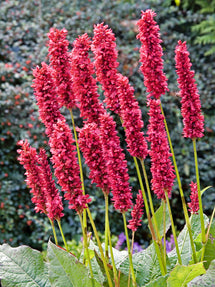
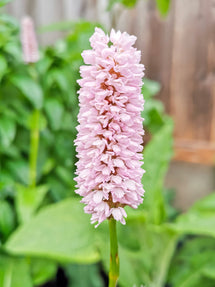
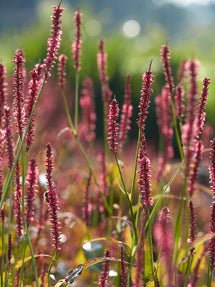

What Is a Fleeceflower?
A fleeceflower is a hardy perennial plant belonging to the genus Persicaria within the buckwheat family (Polygonaceae). These plants are native to diverse garden settings, ranging from wildflower meadows to wet areas.
Gardeners value these species because they produce showy crimson, pink, white, or even soft purple flowers arranged in dense, wand-like spikes or plumes resembling bottrzebrushes. The plant is highly adaptable, long-blooming, and exceptionally hardy across USDA zones 3 to 9, making it a reliable staple for various landscape designs. Persicaria pairs beautifully with moisture-loving plants such as Astilbes, Hostas, and Ligularia.
From Elegant Spikes to Vibrant Foliage: What Makes Persicaria Special
The genus Persicaria comprises approximately 150 species, offering incredible versatility in size and form. These plants range from low, mat-forming groundcovers to large, bushy upright perennials.
Beyond their slender stems with showy crimson, pink, white, or even soft purple flowers, these plants are known for their attractive foliage. Lush, often semi-evergreen foliage creates a dense and attractive ground cover, perfect for suppressing weeds and softening edges.
Persicaria is particularly valued for its adaptability, flourishing in full sun to partial shade and coping well with moist, even heavy soils that may challenge other plants. Its long flowering period and nectar-rich blooms make it a favorite for pollinators, enhancing the biodiversity of any garden.
The Perfect Match for Dynamic Borders, Cottage Gardens, and Busy Gardeners
Persicaria is a multi-functional perennial that delivers ecological and aesthetic value to any landscape. Whether you need to fill broad open spaces or stabilize damp areas, this plant adapts beautifully.
- Weed Suppression: Thanks to their dense growth habit and broad leaves, these plants effectively suppress weeds, making them ideal for creating thick, low-maintenance plantings in garden beds.
- Wildlife Benefit: The nectar-rich flowers are highly attractive to bees, butterflies, and other beneficial insects, while the plant type itself remains reliably deer-resistant.
- Erosion Control: Persicaria species are excellent for stabilizing soils in moist areas or near the water's edge due to their sprawling, anchoring root networks.
- Design Versatility: Their informal, flowing structure makes them a perfect fit for borders, wildflower meadows, and damp garden areas such as bog gardens or pond edges.
Explore Varieties: From Persicaria Amplexicaulis to Persicaria Virginiana
While the genus Persicaria contains numerous fascinating species, distinct variations exist in their color, structure, and growth habits. For example, Persicaria “Amplexicaulis” (Mountain Fleece) is a popular upright perennial with attractive flower wands. Persicaria “Virginiana” (Tovara Virginiana) is grown primarily for its spectacular, ornamental foliage. And Persicaria Microcephala “Red Dragon” is widely recognized for its deep burgundy leaves marked with metallic silver chevrons.
At DutchGrown, you can find the following varieties:
- Persicaria “Fat Domino”: Known for its long, deep red flower spikes, this variety is a showstopper, blooming profusely from midsummer through fall.
- Persicaria “Superba”: This variety adds charm and elegance to gardens with its dense, spiky pink flowers.
- Persicaria “Kabouter”: Renowned for its compact, mat-forming growth habit, this plant produces dense spikes of deep pink flowers that gradually fade to soft pink and white.
How to Grow Flawless Persicaria in Your Garden
Success with Fleeceflower roots starts with providing the correct planting conditions. These hardy plants are highly adaptable, but meeting their basic moisture and light preferences ensures a spectacular display. Here’s how to do it:
- Location: Choose a spot that receives full sun to part shade. Perfect for damp areas of the garden, such as near ponds, streams, or low-lying spots.
- Soil: Select a site with moist, fertile soil. Add organic matter, such as compost, to enrich poor soils and improve moisture retention.
- Spacing and Spread: Dig a hole deep enough to accommodate the bare roots comfortably. Space plants 12-24 inches apart to give them room to spread.
- Moisture Management: Water regularly during the first growing season to establish a deep root system. These moisture-loving plants will tolerate wet conditions well, making them ideal near ponds or low spots. Avoid letting the soil dry out completely.
- Winter Care: Most Persicaria varieties are hardy and require little winter protection. However, a layer of mulch around the base can help insulate the roots in very cold climates.
Buy Top-Quality Fleeceflower Roots at Dutchgrown
When you choose to enhance your garden with reliable, long-blooming perennials, it is advisable to start with superior plant material. At DutchGrown, you will find top-quality Fleeceflower roots that possess the energy required for strong stems and abundant blooms. We ensure that your order is handled with care and delivered straight to your door in the US.
Invest in the enduring beauty and exceptional quality of our Persicaria collection to transform your borders this season.
Frequently Asked Questions About Persicaria
What Is the Common Name of Persicaria?
The most widely known common name for Persicaria is “Fleeceflower”. Depending on the specific species, it is also frequently referred to as “Knotweed”. These versatile perennials earn their descriptive nicknames for their striking, densely clustered flower spikes, which add structural beauty and vibrant, long-lasting color to any summer landscape.
Is Persicaria Invasive?
Whether Persicaria is invasive depends on the specific variety. Some Persicaria can spread aggressively, such as Oriental Lady’s Thumb (Persicaria Longiseta). Others are well-behaved, like Mountain Fleeceflower. They stay put in borders, suppressing weeds naturally without overtaking your landscape.
Do Fleeceflowers Like Sun or Shade?
Fleeceflowers thrive when you choose a spot that receives full sun to part shade. While sun exposure ensures maximum blooms, certain cultivars like partial shade. They are perfect for damp areas of the garden, such as near ponds, streams, or low-lying spots, provided the soil stays consistently moist.
What Are the Benefits of Fleeceflower?
Fleeceflower provides a vital wildlife benefit by attracting bees and butterflies while remaining deer-resistant. Additionally, their long-lasting summer flowers and vibrant foliage add enduring beauty to cottage gardens and borders.