
Dictamnus (Burning Bush)
Add an Aromatic Touch to Your Garden with Dictamnus
Dictamnus Albus, commonly known as the “Gas plant” or “Burning Bush”, is a striking perennial that brings elegance to early summer gardens in the US. These plants create a striking vertical presence in your landscape, rewarding your patience with sophisticated flower spikes and aromatic foliage that return with increasing beauty every season.
Explore our curated selection of premium Dictamnus Albus bare roots for sale and invest in a botanical masterpiece that will grace your garden during the summer months.
Showing 1 - 2 in 2 items
The Enigma of the Burning Bush Plant: What Is Dictamnus?
Dictamnus is a genus of long-lived, woody-based herbaceous perennials native to a wide range spanning from Europe and North Africa to Asia, hardy in USDA Zones 5-9. Often known as the “Burning Bush plant” or “Gas plant”, this plant belongs to the Rutaceae family.
The most intriguing aspect of Dictamnus Albus is the flammable oil it produces. In hot weather, the star-shaped seed heads emit a volatile vapor that can actually ignite if a match is held near the plant on a still night.
A Masterpiece of Form and Fragrance: Key Characteristics
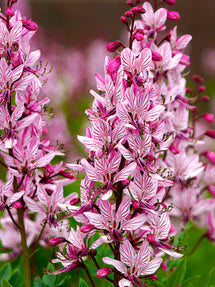
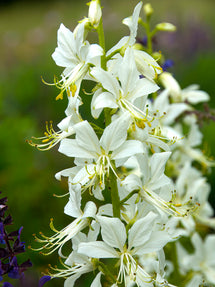
The Gas plant produces tall spires of star shaped flowers in soft pink or pure white, each bloom marked with delicate veins that give the plant a refined, almost old world look. They bloom beautifully from mid summer into early summer. After the flowers fade, the plant produces seed heads. These decorative seed pods extend the plant's visual appeal well into the fall. The foliage is glossy and aromatic, releasing a strong lemon-like scent when crushed.
Dictamnusthrives in sunny, well drained spots and is very long lived once established. It is slow to settle in but rewards patience with years of dependable growth and beautiful blooms.
Who Should Grow Dictamnus?
Dictamnus is a low-maintenance plant that is an ideal choice for a variety of gardening styles and needs, provided the grower has the patience to let it establish. Dictamnus is an excellent choice for:
- Cottage Gardeners: With its traditional look and clump-forming habit, it fits perfectly into cottage gardens and mixed borders.
- Sunny Borders: Dictamnus is well-suited for sunny gardens as it flourishes in full sun.
- Classic gardens: As a classic perennial, Dictamnus excels in locations where a timeless presence is desired across many seasons.
Beautiful Dictamnus Varieties: From Dictamnus Albus to Albiflorus
At DutchGrown, you will find a beautiful collection of Dictamnus bare roots that will bring elegance and fragrance to your summer garden. Let’s have a look at two stunning varieties:
- Dictamnus Albus: The classic gas plant featuring soft pink to lavender veins on its petals, creating a delicate, bicolored effect.
- Dictamnus Albus “Albiflorus”: A stunning pure white variety that glows in the sunlight, offering a crisp, clean look for evening gardens.
Both varieties share the same glossy leaves and upright habit, pairing beautifully with companion plants such as Irises, Daylilies, and Peonies.
Planting for a Successful Garden: How to Grow the Gas Plant
Dictamnus Albus is a slow-to-establish plant, but if you choose a permanent spot and exercise patience, it will reward you with years of reliable growth and beautiful blooms. Follow the steps below to plant your Dictamnus:
- Time: Dictamnus Albus bare roots should be planted in the spring, once the final frost has passed.
- Location: For Dictamnus to thrive, select a location that receives a minimum of 6 hours of full sun each day. Dicamnus is hardy in USDA Zones 5-9.
- Soil: Ensure the soil is well drained to prevent rot during the winter.
- Soak: Soak the roots in water for 3-6 hours prior to planting.
- Depth: Plant the bare root just below the soil surface, about one inch deep, in the prepared hole.
- Water: Once planted, water thoroughly, particularly in their first year.
- Pruning: Cut back the leaves and stems to the woody base (2 inch above the soil) in late fall or early spring.
- Divide: Dictamnus gradually forming a larger clump. For very large, established clumps, division can be performed in the fall.
Premium Dictamnus Albus Bare Roots for Sale at DutchGrown
Dictamnus is slow to establish, so the quality of the initial bare root is paramount. Our top-sized roots provide the necessary energy reserves to help the plant produce its first flower spike successfully. We take great pride in our low-maintenance selection, ensuring each order is handled with the same care our family has provided since 1882. Experience the superior quality our bare-roots will bring to your garden by selecting your Dictamnus Albus from our collection. We ship throughout the United States.
Frequently Asked Questions About Dictamnus
What Is the Common Name of Dictamnus?
The most recognized common name for Dictamnus Albus is the “Gas plant”. It is also widely known as the “Burning Bush plant” due to the flammable oil that its seed pods emit in hot weather. This long-lived perennial produces fragrant, upright flowers and glossy foliage, making it a unique, low-maintenance plant for sunny borders.
What Is Dictamnus Used For?
This clump-forming perennial is primarily grown for its ornamental interest in cottage gardens and sunny borders. Its fragrant flowers and glossy foliage make it a striking specimen for classic landscapes in the US.
Is a Dictamnus Flower a Perennial?
Dictamnus Albus is a long-lived, woody-based herbaceous perennial native to Europe, Africa and Asia. It is a hardy, clump-forming plant that returns to the garden year after year, eventually forming a sturdy base. While it is slow to establish, often taking 3-4 years to flower, it rewards patience with reliable, elegant flower spikes every growing season.
How Do You Care for a Dictamnus Albus?
To care for Dictamnus Albus, ensure it is planted in well-drained, fertile soil in full sun. Avoid moving the plant, as it is slow to settle and possesses a deep taproot. Cut back the leaves and stems to the woody base (2 inch above the soil) in late fall or early spring. Wear gloves when handling the foliage to prevent a skin rash from its oil.